Phổ biến kiến thức về thanh dẫn hướng tuyến tính
Nov 21, 2025
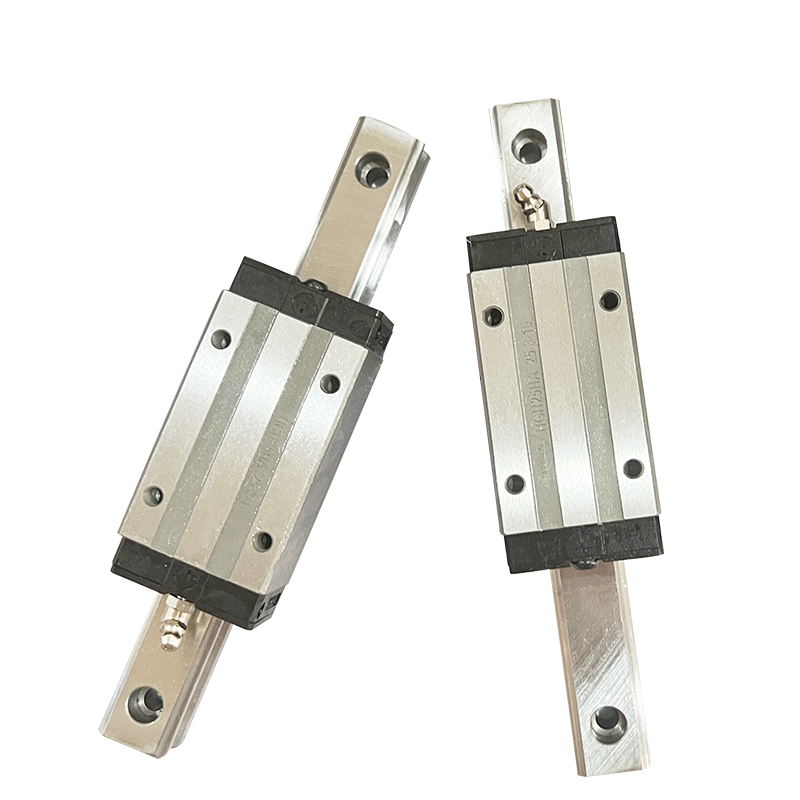
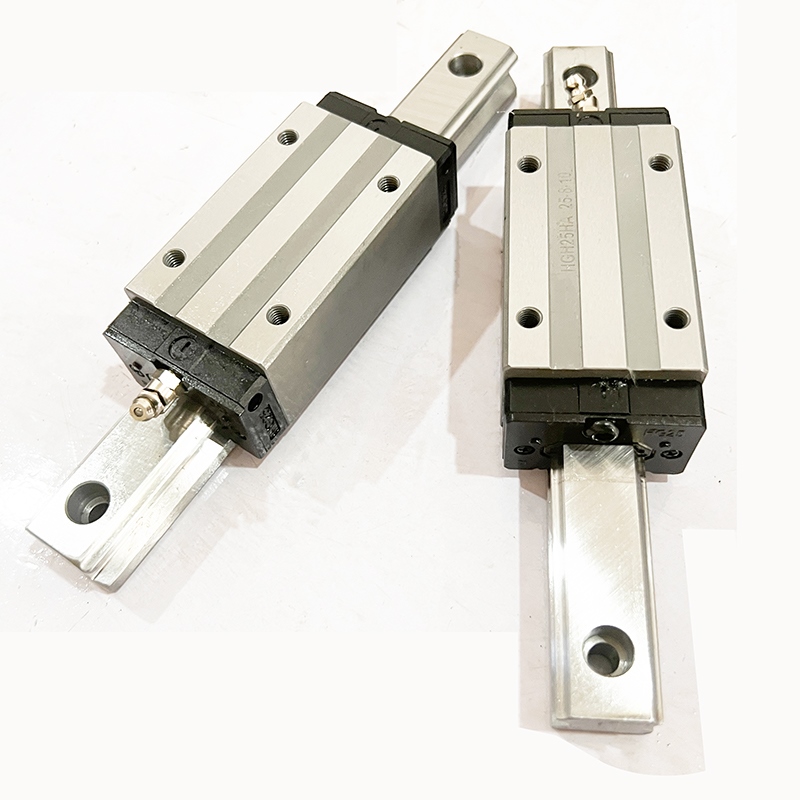
【Thanh dẫn hướng tuyến tính】Có thể phân loại các loại dẫn hướng tuyến tính thành dẫn hướng tuyến tính bi, dẫn hướng tuyến tính con lăn và dẫn hướng tuyến tính bánh xe. Chúng được sử dụng để đỡ và dẫn hướng các bộ phận chuyển động, cho phép chúng thực hiện chuyển động tịnh tiến theo một hướng nhất định. Dựa trên bản chất của ma sát, các dẫn hướng chuyển động tuyến tính có thể được phân loại thành dẫn hướng ma sát trượt, dẫn hướng ma sát lăn, dẫn hướng ma sát đàn hồi và dẫn hướng ma sát chất lỏng. 1. Định nghĩa: Ray dẫn hướng tuyến tính, còn được gọi là thanh ray tuyến tính, thanh trượt hoặc dẫn hướng tuyến tính, được sử dụng trong các ứng dụng chuyển động tịnh tiến tuyến tính và có thể chịu được một lượng mô-men xoắn nhất định, đạt được chuyển động tuyến tính chính xác cao dưới tải trọng lớn. 2. Chức năng: Chức năng của ray dẫn hướng tuyến tính là đỡ và dẫn hướng các bộ phận chuyển động, cho phép chúng thực hiện chuyển động tịnh tiến theo một hướng nhất định. Ổ trục tuyến tính chủ yếu được sử dụng trong máy móc tự động, chẳng hạn như máy công cụ nhập khẩu từ Đức, máy uốn và máy hàn laser. Tất nhiên, ổ trục tuyến tính và trục tuyến tính được sử dụng kết hợp với nhau. Ray dẫn hướng tuyến tính chủ yếu được sử dụng trong các kết cấu cơ khí có yêu cầu độ chính xác cao. Các phần tử chuyển động và cố định của ray dẫn hướng tuyến tính không cần môi trường trung gian; thay vào đó, người ta sử dụng các viên bi thép lăn. 3. Nguyên lý hoạt động: Có thể hiểu đây là một hệ thống dẫn hướng lăn, trong đó các viên bi thép lăn và tuần hoàn liên tục giữa con trượt và thanh dẫn hướng, cho phép bệ tải di chuyển dễ dàng và tuyến tính dọc theo thanh dẫn hướng với độ chính xác cao. Điều này làm giảm hệ số ma sát xuống còn một phần năm mươi so với các hệ thống dẫn hướng trượt truyền thống, dễ dàng đạt được độ chính xác định vị rất cao. Thiết kế bộ phận cuối giữa con trượt và thanh dẫn hướng cho phép thanh dẫn hướng tuyến tính chịu tải đồng thời theo mọi hướng (lên, xuống, trái và phải). Hệ thống tuần hoàn được cấp bằng sáng chế và thiết kế cấu trúc đơn giản giúp tạo nên sự khác biệt. Ray dẫn hướng tuyến tính của HIWIN Có chuyển động mượt mà hơn và ít tiếng ồn hơn. Thanh trượt biến đổi chuyển động từ đường cong thành đường thẳng. Giống như ray dẫn hướng phẳng, ray dẫn hướng tuyến tính có hai thành phần cơ bản: một thành phần cố định đóng vai trò là thanh dẫn hướng, và một thành phần chuyển động. Vì ray dẫn hướng tuyến tính là các thành phần tiêu chuẩn, đối với các nhà sản xuất máy công cụ, nhiệm vụ duy nhất là gia công một mặt phẳng lắp đặt và điều chỉnh độ song song của ray dẫn hướng. Ray dẫn hướng, đóng vai trò là thanh dẫn hướng, được làm bằng thép tôi cứng và được mài chính xác trước khi được đặt trên mặt phẳng lắp đặt. Ví dụ, một hệ thống ray dẫn hướng chịu được cả lực tuyến tính và mômen lật có thiết kế khác biệt đáng kể so với ray dẫn hướng chỉ chịu được lực tuyến tính. Theo thời gian, các viên bi thép bắt đầu bị mòn, làm suy yếu tải trọng tác dụng lên chúng và làm giảm độ chính xác chuyển động của các bộ phận làm việc của máy công cụ. Để duy trì độ chính xác ban đầu, giá đỡ ray dẫn hướng, hoặc thậm chí chính ray dẫn hướng, phải được thay thế. Nếu hệ thống ray dẫn hướng đã có tải trọng và độ chính xác của hệ thống đã bị mất, giải pháp duy nhất là thay thế các phần tử lăn. Hệ thống ray dẫn hướng được thiết kế để tối đa hóa diện tích tiếp xúc giữa các phần tử cố định và chuyển động. Điều này không chỉ cải thiện khả năng chịu tải của hệ thống mà còn cho phép nó chịu được lực tác động sinh ra bởi việc cắt gián đoạn hoặc cắt nặng, phân tán lực rộng rãi và mở rộng diện tích chịu tải. Để đạt được điều này, hệ thống ray dẫn hướng sử dụng nhiều hình dạng rãnh khác nhau, với hai loại tiêu biểu: rãnh Gothic (vòm nhọn), là phần mở rộng của một nửa hình tròn với điểm tiếp xúc ở đỉnh; và rãnh hình cung, phục vụ cùng mục đích. Bất kể hình dạng cấu trúc nào, mục tiêu đều giống nhau: tối đa hóa bán kính tiếp xúc của các viên bi thép lăn với ray dẫn hướng (phần tử cố định). Yếu tố then chốt quyết định đặc tính hiệu suất của hệ thống là cách các phần tử lăn tiếp xúc với ray dẫn hướng. 4. Lĩnh vực ứng dụng: ① Ray dẫn hướng tuyến tính chủ yếu được sử dụng trong máy móc tự động, chẳng hạn như máy công cụ nhập khẩu từ Đức, máy uốn, máy hàn laser, v.v. Ray dẫn hướng tuyến tính và trục dẫn hướng tuyến tính được sử dụng kết hợp. ② Ray dẫn hướng tuyến tính chủ yếu được sử dụng trong các kết cấu cơ khí có yêu cầu độ chính xác cao. Các bộ phận chuyển động và cố định của ray dẫn hướng tuyến tính không sử dụng môi trường trung gian mà sử dụng các viên bi thép lăn. Điều này là do các viên bi thép lăn thích hợp cho chuyển động tốc độ cao, có hệ số ma sát thấp và độ nhạy cao, đáp ứng các yêu cầu làm việc của các bộ phận chuyển động, chẳng hạn như giá đỡ dụng cụ và thanh trượt trong máy công cụ. Nếu lực tác dụng lên các viên bi thép quá lớn hoặc thời gian tải trước quá dài, nó sẽ làm tăng lực cản của chuyển động đỡ. 5. Lưu ý khi sử dụng: Chống gỉ sét: Khi cầm nắm trực tiếp các thanh dẫn hướng bằng tay, hãy rửa sạch mồ hôi và bôi dầu khoáng chất lượng cao trước khi cầm. Đặc biệt chú ý đến việc chống gỉ sét trong mùa mưa và mùa hè. Giữ gìn môi trường sạch sẽ: Giữ cho các thanh dẫn hướng và môi trường xung quanh luôn sạch sẽ. Ngay cả những hạt bụi nhỏ li ti không nhìn thấy bằng mắt thường lọt vào các thanh dẫn hướng cũng sẽ làm tăng sự mài mòn, rung động và tiếng ồn. Việc lắp đặt cần được thực hiện cẩn thận. Các thanh dẫn hướng phải được lắp đặt hết sức cẩn thận. Nghiêm cấm sử dụng lực mạnh, đóng búa trực tiếp và truyền áp lực thông qua các con lăn. Cần có các dụng cụ lắp đặt phù hợp. Sử dụng các dụng cụ chuyên dụng bất cứ khi nào có thể, tránh sử dụng vải hoặc vật liệu sợi ngắn. 6. Vệ sinh các thanh dẫn hướng: Là các bộ phận cốt lõi của thiết bị, thanh dẫn hướng và trục tuyến tính đóng vai trò là bộ phận dẫn hướng và hỗ trợ. Để đảm bảo độ chính xác gia công cao, thanh dẫn hướng và trục tuyến tính phải có độ chính xác dẫn hướng cao và độ ổn định chuyển động tốt. Trong quá trình hoạt động, phôi gia công tạo ra một lượng lớn bụi và khói ăn mòn. Sự tích tụ lâu dài của bụi và khói này trên bề mặt thanh dẫn hướng và trục tuyến tính ảnh hưởng đáng kể đến độ chính xác gia công và có thể gây ra hiện tượng rỗ, làm giảm tuổi thọ của thiết bị. Để đảm bảo hoạt động ổn định của máy và chất lượng sản phẩm, việc bảo dưỡng thường xuyên các thanh dẫn hướng và trục tuyến tính là rất quan trọng. Lưu ý: Để vệ sinh thanh dẫn hướng, hãy chuẩn bị một miếng vải cotton khô và dầu bôi trơn. Thanh dẫn hướng của máy khắc được chia thành thanh dẫn hướng tuyến tính và thanh dẫn hướng con lăn. Vệ sinh thanh dẫn hướng tuyến tính: Đầu tiên, di chuyển đầu laser sang phía cực bên phải (hoặc bên trái) để xác định vị trí thanh dẫn hướng tuyến tính. Lau sạch bằng vải cotton khô cho đến khi sáng bóng và không còn bụi. Thêm một lượng nhỏ chất bôi trơn (dầu máy may cũng được; không sử dụng dầu máy). Từ từ di chuyển đầu laser sang trái và phải vài lần để phân phối chất bôi trơn đều. Vệ sinh ray dẫn hướng con lăn: Di chuyển thanh ngang vào bên trong, mở các nắp che ở hai bên máy, xác định vị trí ray dẫn hướng và lau sạch các khu vực tiếp xúc giữa ray dẫn hướng và con lăn bằng vải cotton khô. Sau đó di chuyển thanh ngang và làm sạch các khu vực còn lại. 7. Triển vọng phát triển: Với sự mở rộng liên tục của các ngành công nghiệp như điện lực, truyền thông dữ liệu, vận tải đường sắt đô thị, ô tô và đóng tàu, nhu cầu về ray dẫn hướng tuyến tính sẽ tăng nhanh chóng. Ngành công nghiệp ray dẫn hướng tuyến tính có tiềm năng phát triển rất lớn trong tương lai. 【Khối trượt】Vật liệu của khối trượt phải có độ cứng và khả năng chống mài mòn phù hợp, đủ để chịu được ma sát khi chuyển động. Độ cứng của phần khoang hoặc lõi trên khối trượt phải tương đương với các phần khác của khoang khuôn và lõi khuôn.1. Thiết bị quy trình công nghiệp: Khuôn mẫu là thiết bị quy trình quan trọng để sản xuất nhiều loại sản phẩm công nghiệp. Với sự phát triển nhanh chóng của ngành công nghiệp nhựa và ứng dụng rộng rãi các sản phẩm nhựa trong các ngành hàng không vũ trụ, điện tử, cơ khí, đóng tàu và ô tô, yêu cầu đối với khuôn mẫu ngày càng khắt khe. Các phương pháp thiết kế khuôn mẫu truyền thống không còn đáp ứng được nhu cầu. So với thiết kế khuôn mẫu truyền thống, công nghệ Kỹ thuật hỗ trợ máy tính (CAE) mang lại những lợi thế đáng kể trong việc nâng cao năng suất, đảm bảo chất lượng sản phẩm, giảm chi phí và giảm cường độ lao động. 2. Ứng dụng: Được sử dụng rộng rãi trong thiết bị phun sơn, máy công cụ CNC, trung tâm gia công, điện tử, máy móc tự động, máy dệt, ô tô, thiết bị y tế, máy in, máy đóng gói, máy chế biến gỗ, làm khuôn mẫu và nhiều lĩnh vực khác. Nếu bạn có bất kỳ câu hỏi nào liên quan đến vấn đề này, các chuyên gia sản phẩm của chúng tôi rất sẵn lòng giải đáp! Đội ngũ kỹ thuật của chúng tôi sẽ sẵn lòng trả lời các câu hỏi kỹ thuật của bạn về ứng dụng sản phẩm của chúng tôi trong thời gian sớm nhất. Bài viết này được tổng hợp từ các nguồn trực tuyến nhằm mục đích phổ biến thêm thông tin. Nếu bài viết này vi phạm quyền của bạn, vui lòng liên hệ với chúng tôi để xóa bỏ. Để biết thêm thông tin về vít me/ray dẫn hướng/thanh trượt/trục chính/máy công cụ, vui lòng liên hệ với chúng tôi.




 MẠNG ĐƯỢC HỖ TRỢ